

AI Max Campaigns: What Google Isn’t Telling You
How AI Max campaigns really work, and what businesses should understand before trusting automation
There is a quiet shift happening inside Google Ads, and many businesses don’t even notice it at first. Campaigns are becoming more automated, more “intelligent,” and more controlled by AI systems that promise better results with less effort. One of the newest parts of this shift is something many marketers are starting to hear about — AI Max campaigns.
At first, it sounds like an upgrade. Smarter targeting, better performance, less manual work. But when you start working with it, you realize there are things Google does not clearly explain. And if you don’t understand them, you can easily lose control over your budget, your audience, and your results.
Let’s break this down in a very real, simple way.
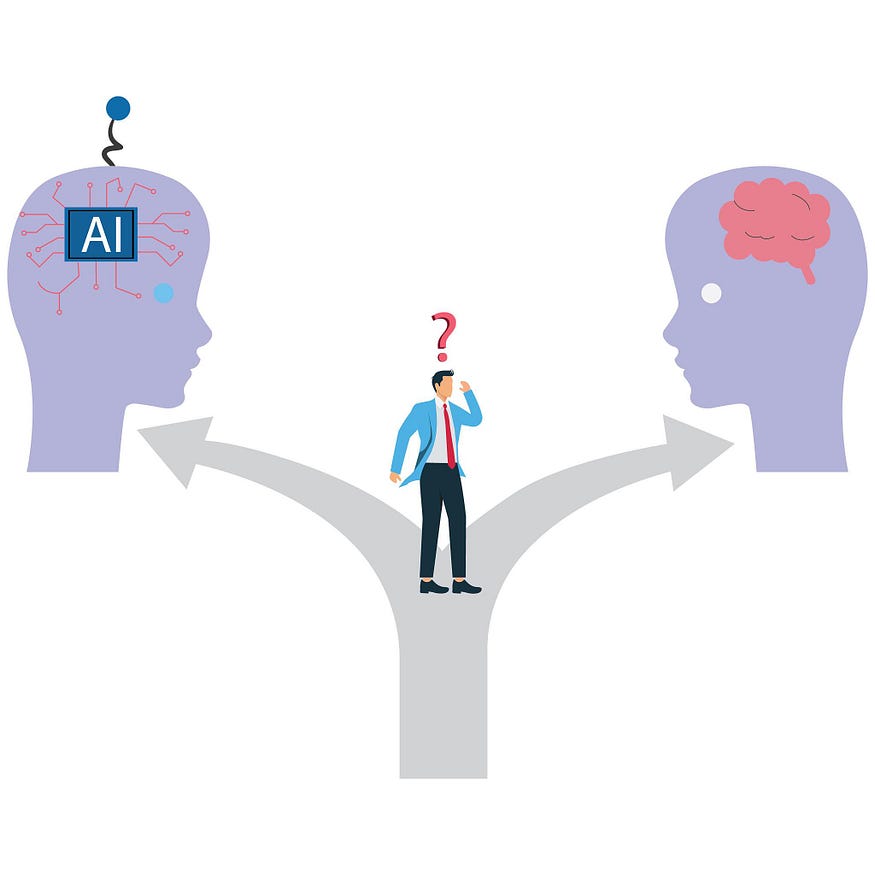
What AI Max Campaigns Actually Are
AI Max campaigns are part of Google’s move toward full automation. Instead of manually choosing keywords, audiences, placements, and bidding strategies, the system starts making those decisions for you.
It uses your data, your website, your past performance, and user behavior signals to decide:
- Who sees your ads
- When they see them
- What message do they see
- How much do you pay
On paper, this sounds perfect. Less work, better results. But in reality, it changes how much control you have.
And that’s where things get interesting.
AI Max vs Performance Max: What’s the Real Difference?
Many people confuse AI Max with Performance Max, but they are not the same.
Performance Max already combines all Google channels into one campaign — Search, Display, YouTube, Gmail, and more. It operates on the assets you provide and aims to identify conversions across all platforms.
AI Max takes this idea further.
It relies even more on automation and learning. Instead of just using your inputs, it starts expanding beyond them. It can:
- go beyond your exact keywords
- explore broader search intent
- test new audiences you didn’t select
- Adjust messaging based on behavior
In simple words, Performance Max still listens to you. AI Max starts thinking for itself.
That can be powerful, but also risky.
The Truth About AI Max Broad Match Strategy
One of the biggest hidden changes is how broad match works inside AI Max campaigns.
Google pushes advertisers to use broad match because AI can “understand intent.” This means your ads can show up for searches that are not exactly your keywords, but are considered related.
For example, if you target “wedding flowers,” your ad might show for:
- event decoration ideas
- luxury table styling
- romantic gifts
Sometimes this works well. Sometimes it wastes the budget.
The problem is not the broad match itself. The problem is that you don’t always see how far the system goes. You lose visibility, and that makes optimization harder.
If your tracking is not strong, AI Max can spend money in places that look promising to the system but don’t actually bring real business results.
Google AI Max Features: What Looks Good vs What Matters
Google presents AI Max features in a very attractive way:
- automated bidding
- predictive targeting
- real-time optimization
- cross-channel reach
All of these sound impressive. And yes, they can work.
But the real question is not what the system can do. The real question is how well it understands your business.
AI does not know your profit margins.
It does not know your best customers.
It does not know your offline sales.
It only knows the data you give it.
So if your setup is weak — poor conversion tracking, missing data, unclear goals — AI Max will optimize based on incomplete information.
And that’s when businesses feel like “Google Ads stopped working,” even though the system is just following the wrong signals.
What Google Doesn’t Clearly Tell You
This is the part most people discover too late.
AI Max campaigns require strong foundations. Without them, automation becomes guesswork.
Here are the things that are often not explained clearly:
First, data quality matters more than ever. If your tracking is not accurate, AI will optimize for the wrong outcomes.
Second, you still need a strategy. Automation does not replace thinking. It only executes faster.
Third, testing is still important. Even with AI, you need to compare results, adjust inputs, and guide the system.
Fourth, patience is required. AI needs time to learn, but that does not mean you should ignore what is happening during that time.
And finally, control is different now. You don’t control every detail anymore, but you control the direction.
How to Actually Use AI Max Campaigns Smartly
Instead of fully trusting the system or completely avoiding it, the better approach is balance.
Start with clear goals. Know what success means for your business — leads, sales, revenue, not just clicks.
Set up proper tracking. Include real conversions, not just basic actions.
Feed the system good inputs. Strong creatives, clear messaging, relevant landing pages.
Monitor performance closely. Look beyond surface metrics and focus on real outcomes.
And most importantly, don’t assume automation means perfection. AI is powerful, but it still needs guidance.
Final Thoughts: AI Is a Tool, Not a Strategy
AI Max campaigns are not “good” or “bad.” They are tools. And like any tool, the result depends on how you use it.
If you rely on them without understanding how they work, they can quickly drain your budget.
If you use them with a clear strategy, strong data, and careful monitoring, they can help you grow faster.
The difference is not the technology. The difference is how you approach it.
Written by Friday Marketing Agency
📍 Los Angeles-based marketing team focused on SEO, content, and performance growth.
If you want to read more insights, follow us on Medium.


